


Your Guide to Choosing a Mimosa Hostilis Root Bark Supplier

Key Highlights
Look for mimosa hostilis root bark suppliers that show real supplier transparency, clear product details, and responsive customer service.
Reputable suppliers explain sourcing, packaging, shipping times, and quality standards before you buy.
Ethical sourcing matters because sustainable harvesting supports long-term supply and better material quality.
Premium Mimosa hostilis root bark is usually offered in forms that fit different project needs.
Customer reviews often reveal whether a seller delivers the best results consistently.
The Dye Depot stands out by focusing on trusted service in the USA and Europe.

Introduction: Choosing a Mimosa Hostilis Root Bark Supplier
Choosing a Mimosa hostilis root bark supplier can feel tricky when many websites look similar at first glance. You want clear information, dependable shipping, and a product that matches your needs for natural dyeing or other traditional uses. That is why it helps to focus on quality, honesty, and service rather than price alone.
At The Dye Depot, we pride ourselves on being a trusted MHRB supplier in the USA and Europe, with a strong focus on customer satisfaction, ethical sourcing, and carefully selected materials.
Understanding Mimosa Hostilis Root Bark and Its Uses
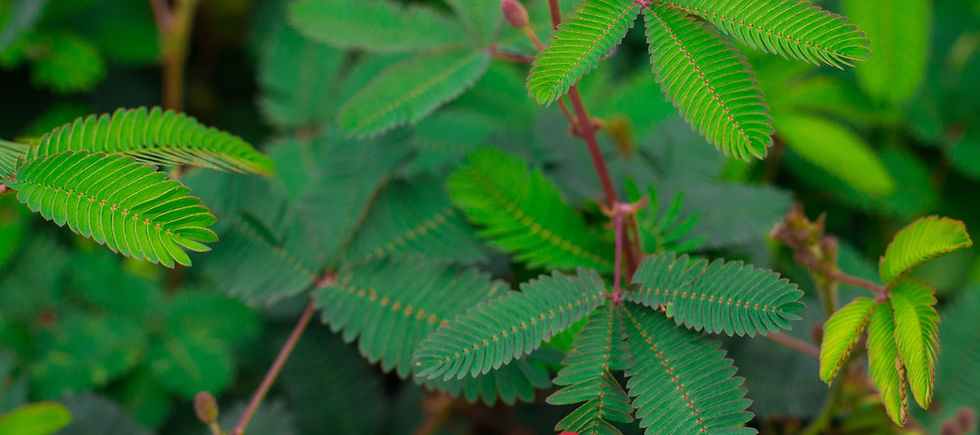
Mimosa tenuiflora, also known as jurema preta, is a tree linked to long-standing traditional applications in South and Central America. While several parts of the plant are known, the inner root bark is the part most often discussed by suppliers and buyers.
Today, people look for this material for natural dye work, artistic projects, and ethnobotanical interest. Since use cases vary, customer feedback becomes very important. Reviews often show whether a supplier delivers fresh batches, helpful support, and consistent quality. That foundation makes it easier to compare sellers with confidence.
Key Properties and Applications of MHRB
One key feature of mimosa hostilis inner root bark is its high tannin content. That is why it is often linked with natural dyes, textile coloring, and artistic work. The material comes from the plant’s root system, which is why careful harvesting matters so much.
In practical terms, buyers should pay attention to what the supplier says about form, freshness, and storage. Whole pieces allow easier visual inspection, while powder offers convenience. A good seller should explain these differences clearly and show accurate product photos.
You should also keep in mind. Some guides note that powdered bark can cause skin irritation or discomfort if handled carelessly, so proper storage and careful use matter. To verify authenticity before buying, focus on origin details, appearance, smell, packaging quality, and whether the supplier shares testing or batch information.
Why Source MHRB for Dyeing and Other Traditional Uses?
Many buyers seek MHRB because of its traditional uses and its role in natural dyeing. It has cultural significance in parts of Brazil, Mexico, and Central America, where the plant has been recognized for generations under names such as jurema preta and tepezcohuite.
For modern buyers, the value often comes from its tannin-rich properties, visual quality, and the form that best suits a project. Some suppliers discuss soap-making procedures, while others focus more on dye, craft, and research purposes.
Regional sources can shape the buying experience too. Brazilian material is often highlighted by suppliers, while some sites also mention Mexican options. These regional differences may affect descriptions, shipping routes, available forms, and how much sourcing detail you receive. That is why supplier transparency matters as much as the origin itself.
What Makes a Trustworthy Mimosa Hostilis Root Bark Supplier?
A trustworthy MHRB supplier gives you more than a product page. You should expect strong customer service, accurate descriptions, and supplier transparency about shipping, packaging, and sourcing. Reputable suppliers also explain natural variation, so you know what to expect from a botanical material.
Another good sign is whether the seller can discuss quality checks, batch freshness, and certificates of analysis when available. Clear contact details and helpful answers build trust fast. The next points break down the exact qualities worth checking before you place an order.
Essential Qualities of a Reliable MHRB Supplier
When you compare vendors, the basics matter most. A reliable seller should make it easy for you to understand what you are buying, how it is shipped, and what kind of help is available after purchase. That is how quality Mimosa hostilis root bark becomes part of a better buying experience.
You should look for signs such as:
Clear product descriptions with photos, sizes, and form options
Ethical sourcing details rather than vague claims
Responsive customer support before and after ordering
Policies that show confidence in service and product quality
Just as important, you want unmatched customer service that feels real, not scripted. The compiled information shows that trusted sellers often highlight fast replies, quick shipping, secure packaging, and satisfaction policies. At The Dye Depot, we follow that same customer-first approach for buyers in the USA and Europe.
How to Evaluate a European MHRB Supplier vs. a USA Supplier
Buying from suppliers in the United States or Europe can work well, but you need to compare the basics carefully. Start with supplier transparency, shipping timelines, warehouse location, and whether the website clearly explains customs or domestic delivery. Product photos and customer reviews also help you spot a more prepared seller.
Here is a simple comparison:
Factors | United States Supplier | Europe Supplier |
Shipping route | Domestic for US buyers, often faster | Strong for Europe buyers, may vary by country |
Customs concerns | Lower for US domestic orders | Depends on the destination and the warehouse |
Tracking | Often, USPS or local carriers | Often, Deutsche Post, Royal Mail, DPD, or local post |
Product availability | Some forms may ship from a US warehouse | Some items may be limited by destination |
Transparency checks | Look for origin, policies, and contact info | Look for the same details plus region-specific shipping notes |
Yes, you can buy safely from international suppliers if they explain shipping limits, provide tracking, and use secure packaging. The Dye Depot supports buyers in both Europe and the USA with a strong focus on clear communication and dependable fulfillment.
Sourcing Standards and Ethical Practices at The Dye Depot
Ethical sourcing should never be an afterthought. When a supplier discusses sustainable harvesting, fair handling, and the wider supply chain, you get a clearer picture of how the material reaches you. That kind of detail separates careful sellers from vague ones.
At The Dye Depot, we pride ourselves on ethical sourcing and quality standards in the USA and Europe. Respect for indigenous communities, responsible harvesting, and a more transparent supply chain all support a more trustworthy buying experience. That also sets the stage for better consistency and stronger quality control.
Responsible Harvesting and Supply Chain Transparency
Responsible sourcing starts where the plant grows. Compiled information points to northeastern Brazil as a recognized origin for mimosa hostilis, and that makes the harvesting method especially important. A careful supplier should explain how the bark is collected and why that process helps protect future growth.
Some reputable sellers note that sustainable harvesting means taking only part of the root resource rather than damaging the entire plant. That kind of detail gives you a better view of the supply chain and shows that ethical sourcing is more than a marketing phrase.
You should also ask whether the supplier works directly with harvesters or long-term partners. When a company can explain sourcing, processing, and shipping in plain language, it becomes much easier to trust the product. The Dye Depot values that kind of openness because buyers deserve clear answers before they order.
Commitment to Consistency and Quality Control
Consistency matters because botanical materials naturally vary. Good suppliers do not hide that fact. Instead, they explain what they do through quality control to keep batches dependable for customers who want premium Mimosa hostilis root bark.
Look for quality-focused details such as:
Checks on dryness and handling before packing
Clear labeling of powder, shredded, or whole forms
Attention to consistent particle size when selling powder
Willingness to discuss certificates of analysis if available
Not every seller presents the same documents, but reputable suppliers should still be able to discuss freshness, processing, and batch standards. The Dye Depot emphasizes careful selection and dependable service so buyers in the USA and Europe can shop with more confidence. That practical consistency often matters just as much as price.
Comparing Types and Forms of MHRB Offered by Suppliers
Suppliers usually offer powdered mimosa hostilis root bark, shredded bark, or whole root bark. Each form suits a different preference, so the best choice depends on how you plan to use and store it. The form also affects inspection, convenience, and packaging.
Mimosa Hostilis root bark powder is popular because of its fine texture and ease of use, while whole or shredded pieces make visual checks easier. In the next sections, you will see how form and regional origin can influence quality, handling, and overall buying decisions.
Powdered, Shredded, and Whole: Which Form Suits Your Project?
The right format depends on what you value most. MHRB powder is convenient and easy to measure, while whole root bark and shredded cuts give you a more visible look at the material before use. That can help if you want to inspect texture, color, and freshness yourself.
Here is a simple way to think about it:
Powdered mimosa hostilis root bark offers convenience and a uniform feel.
Shredded bark balances usability with lower processing
Whole root bark gives the strongest visual traceability
Each form needs proper storage to protect its shelf life
Before buying, ask how the material is packed, how long it stays fresh, and which form best fits your project. Powder can absorb moisture faster, so sealed packaging matters. Whole and shredded bark may take more room, but many buyers like the extra visibility they provide.
Regional Variations in MHRB: Brazil, Europe, and Beyond
Regional variations can shape how suppliers describe their products. Brazilian MHRB is often highlighted in product listings and sourcing notes, especially when tied to northeastern Brazil. Other listings mention Mexican mimosa hostilis or broader links to Central America.
What can change by region?
Product naming and botanical context
Available forms such as powder, shredded, or whole
Shipping warehouse location and transit time
How much sourcing detail is shared with buyers
These regional variations do not automatically mean one source is always better. What matters more is whether the supplier explains origin, processing, and handling clearly. The Dye Depot sources with care and focuses on quality mimosa hostilis root bark, so customers in Europe and the USA get straightforward information instead of guesswork.
Assessing Quality: Verifying Authenticity Before Purchase
If you want authentic MHRB, start with the supplier’s product page. You should see clear origin documentation, form details, and practical information about freshness, packaging, and storage. Pure root bark should never be presented with confusing or inconsistent labeling.
It also helps to ask whether the seller can provide certificates of analysis or other batch details. Reliable answers build trust quickly. The next two sections cover what high-quality material looks like and which documents can support a more confident purchase.
Signs of High-Quality MHRB
Good quality often shows up in simple ways. Fresh bark should have a natural, earthy smell, a clean appearance, and packaging that protects it from air and moisture. If the material looks old, clumped, or poorly packed, that should make you pause.
Here are useful signs to check:
Fresh bark with a natural scent rather than a musty odor
Dry material with controlled moisture content
Clear labeling that identifies the product as pure root bark
Packaging that helps preserve quality during transit
For quality mimosa hostilis root bark, consistency also matters. Powder should look uniform, while whole or shredded pieces should appear clean and properly handled. A trustworthy supplier explains natural variation without using that as an excuse for poor storage or weak presentation. That balance is a strong sign of care.
Certifications, Lab Testing, and Documentation Provided by Suppliers
Reputable suppliers often stand out because they are willing to discuss paperwork, not just product claims. If a seller can explain origin documentation, batch handling, or lab testing, you get a stronger basis for trust. That does not need to be complicated. It just needs to be clear.
Helpful documents or details may include:
Certificates of analysis for current or recent batches
Basic lab testing information, when available
Origin documentation showing source location
Batch or harvest details that support traceability
You do not need every document from every supplier, but you should expect honest answers. If a seller avoids direct questions or gives vague replies, move on. At The Dye Depot, we believe transparency helps customers choose with confidence, especially when quality and sourcing matter as much as they do here.
Customer Feedback and Reputation: Why Reviews Matter
Customer reviews matter because they show how a supplier performs after the sale, not just how the website looks. You can learn a lot from repeated comments about shipping speed, product condition, and customer support. That kind of feedback often tells the real story.
Strong customer satisfaction usually comes from consistency, not one lucky order. When many buyers mention premium Mimosa hostilis root bark, smooth delivery, and clear communication, that is worth paying attention to. The next section shows how to read those experiences more carefully.
Analyzing Real Experiences with The Dye Depot and Other Suppliers
Real customer reviews help you move past marketing language. In the compiled information, buyers praised fast shipping, responsive communication, reliable tracking, and good quality. Those repeated points are more useful than one bold claim on a homepage.
When reading reviews, focus on patterns such as:
Consistent praise for shipping speed and packaging
Mentions of unmatched customer service
Comments about detailed information and clear updates
Repeat buyers who highlight quality mimosa hostilis root bark
That pattern is what you want to see from a supplier like The Dye Depot. We pride ourselves on trusted service in the USA and Europe, and customer-first support is a big part of that. If reviews mention confusion, silence, or damaged orders again and again, treat that as a warning.
Price Differences and Value: What Affects MHRB Cost?
MHRB prices can vary a lot, and that does not happen by accident. The price range often reflects form, shipping location, freshness, packaging, and how much detail the supplier provides. Larger quantities may lower the unit cost, but that only adds value if the quality holds up.
You should also watch for minimum order quantities, warehouse location, and whether shipping is included. The best results usually come from balancing cost with transparency, consistency, and service. The next sections explain those price differences practically.
Factors Behind Price Variation Among Suppliers
Price differences usually reflect real operational choices. A supplier with faster shipping, better packaging, and stronger communication may charge more than a bare-bones seller. The supply chain also matters, especially when sourcing from Brazil and shipping through warehouses in different regions.
Common factors include:
Product form, such as powder, shredded, or whole bark
Shipping speed, tracking, and warehouse location
Supply chain handling and sourcing practices
Educational details around product quality
You should be careful with prices that seem far below the market average. Low pricing can sometimes point to weak packaging, poor freshness, or vague sourcing. A fair price range often reflects the work involved in harvesting, processing, storing, and delivering botanical material with greater care.
Striking a Balance Between Cost and Quality
Saving money matters, but cost should not be your only filter. If a supplier cannot explain origin, packaging, or shipping, a lower price may come with more risk. That is especially true with natural products that depend on handling and storage.
Instead, look at value through a wider lens. Strong quality standards, clear communication, and secure packaging can protect your order and improve the full buying experience. These details also support customer satisfaction because they reduce surprises after checkout.
The best supplier is often the one that combines fair pricing with clarity and consistency. The Dye Depot takes that approach seriously by focusing on trusted sourcing, dependable support, and quality service for customers across the USA and Europe. That balance is what many buyers actually want.
Questions to Ask Your Supplier Before Buying MHRB
Before you buy, ask direct questions and see how the supplier responds. Reputable suppliers should provide detailed information about product form, origin, packaging, transit times, and storage. A helpful answer tells you a lot about their customer service.
You should also ask about shipping limits and local laws in your area, since availability may differ by destination. Clear, respectful answers are a strong trust signal.
Ensuring Safe and Secure Delivery of MHRB
Safe delivery depends on preparation. Good suppliers protect orders with secure packaging, tracking, and practical shipping updates. That is true whether the parcel is traveling domestically or across borders. Buyers feel more confident when the seller explains how products are packed and dispatched.
Look for delivery features such as:
Secure packaging that protects against damage and moisture
Tracking information sent soon after purchase
Clear shipping timelines and processing notes
Customer support if a parcel is delayed or returned
Free shipping can be a bonus, but safety matters more than a discount. The compiled information highlights discreet packaging, fast fulfillment, and tracking as signs of a stronger operation. At The Dye Depot, we value customer satisfaction by making delivery clear, careful, and easy to follow from order to arrival.
How to Spot Warning Signs of Unreliable MHRB Vendors
Bad vendors often reveal themselves through missing details. If you cannot find contact information, shipping terms, or clear product descriptions, that lack of supplier transparency should make you cautious. Weak quality standards often show up long before checkout.
Customer reviews help here, too. Repeated complaints about damaged orders, vague replies, or inconsistent products are major warning signs. You do not need perfection from a seller, but you do need clarity. The next sections show which red flags matter most and how The Dye Depot takes a different approach.
Red Flags to Watch Out For When Selecting a Supplier
Some warning signs are easy to miss if you focus only on price. Questionable suppliers often rely on broad claims while avoiding specifics about origin, packaging, or customer policies. If the website feels thin on facts, pay attention.
Watch for issues like:
Missing or poor product photos
No clear origin or shipping details
Repeated complaints about inconsistent quality
Vague answers when you ask direct questions
Another red flag is when a seller does not explain natural variation, yet the product seems to change without warning. Good suppliers are honest about botanical differences and still keep standards in place. That balance matters. If you see confusion, silence, or unclear listings, it is smarter to keep looking.
How The Dye Depot Stands Out from Questionable Sellers
The Dye Depot stands apart by focusing on the things serious buyers actually care about. That means supplier transparency, careful sourcing, and clear product information instead of empty promises. When you know where a product is sourced and how it is handled, buying becomes much easier.
We also believe unmatched customer service should be standard, not rare. Buyers deserve timely replies, useful guidance, and a smooth ordering process, whether they are in the USA or Europe. That support helps reduce uncertainty and improves the full experience.
Most of all, The Dye Depot is committed to quality mimosa hostilis root bark and customer satisfaction. We pride ourselves on ethical sourcing and dependable standards, so you can shop with more confidence, whether you are exploring traditional uses or looking for carefully sourced Brazilian material.
Conclusion
In conclusion, choosing the right Mimosa Hostilis Root Bark supplier is crucial for ensuring you receive high-quality products that meet your needs. At The Dye Depot, we prioritize ethical sourcing and rigorous quality standards, providing you with peace of mind as you explore the various applications of MHRB. By understanding the essential qualities of reliable suppliers and being aware of potential red flags, you can make informed decisions that benefit your projects. Remember, investing in quality not only enhances your results but also supports sustainable practices.
If you have any questions or need personalized guidance, get in touch with us today!
FAQ About Mimosa Hostilis Root Bark Suppliers
Can I safely order MHRB from Europe-based suppliers like The Dye Depot?
Yes, you can order from Europe-based suppliers when they explain warehouse details, tracking, and shipping limits clearly. The Dye Depot supports buyers in Europe and beyond with secure packaging, responsive customer support, supplier transparency, and a strong focus on safe delivery from order to arrival.
What questions should I ask a supplier before buying Mimosa Hostilis root bark?
Ask about product form, origin, packaging, storage, shipping timelines, and destination limits. You should also ask how the seller handles ethical sourcing and quality control. Good customer service and detailed information are strong signs of supplier transparency and a more reliable buying experience.
Why does the price of Mimosa Hostilis root bark vary between different suppliers?
The price range changes because suppliers differ in sourcing, packaging, shipping speed, warehouse location, and overall quality standards. Supply chain decisions and minimum order quantities can also affect cost.
Are there any warning signs of unreliable Mimosa Hostilis root bark vendors?
Yes. Common warning signs include poor supplier transparency, missing product photos, vague origin details, and weak or repeated negative customer reviews. Reputable suppliers usually provide clear policies, accurate listings, and useful support. If basic details are missing, it is better to keep comparing options.


Comments